Materials
How to Soften Canvas Material (Fabric, Bags & Shoes)
How to soften stiff canvas — wash with vinegar or fabric softener to cut the sizing, tumble with dryer balls, and break it in mechanically by scrunching and using it.

How to soften stiff canvas — wash with vinegar or fabric softener to cut the sizing, tumble with dryer balls, and break it in mechanically by scrunching and using it.
Spot clean a puffer jacket rather than washing the whole thing for one mark — dish soap for grease, cornstarch for oil, cold water for blood — plus how to wash a down jacket properly.
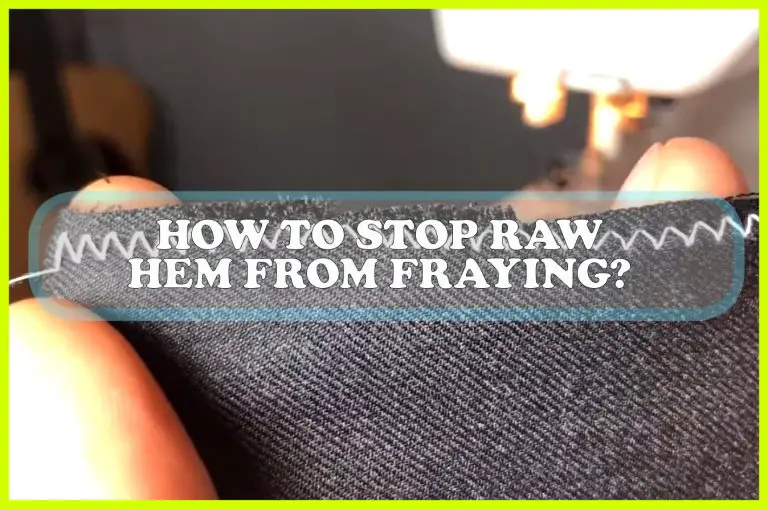
How to stop a raw edge from fraying — zigzag, serge, or a narrow hem if you sew, plus no-sew fixes like Fray Check, pinking shears, and fusible tape. Matched to your fabric.
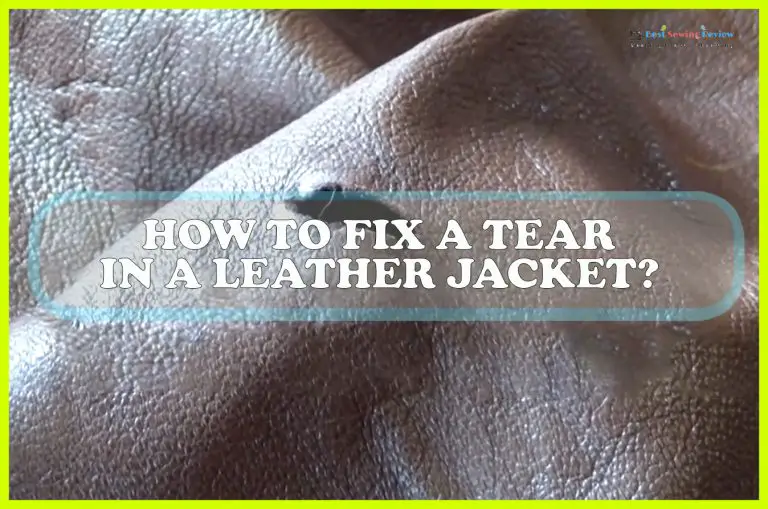
How to repair a torn leather jacket — a backing patch and flexible glue for a clean tear, re-stitching with a leather needle for a ripped seam, and color-matched filler to hide it.
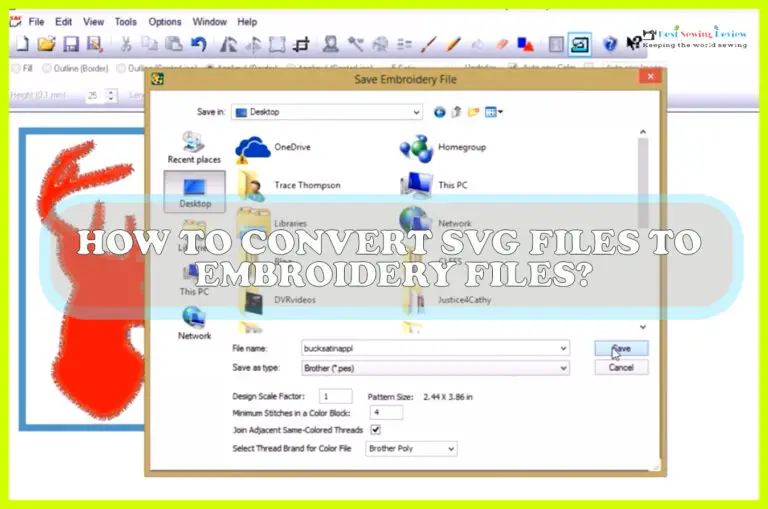
You cannot just export an SVG to embroidery — it must be digitized into stitches. How to do it with free Ink/Stitch or paid software, which format your machine needs, and when to hire a digitizer.
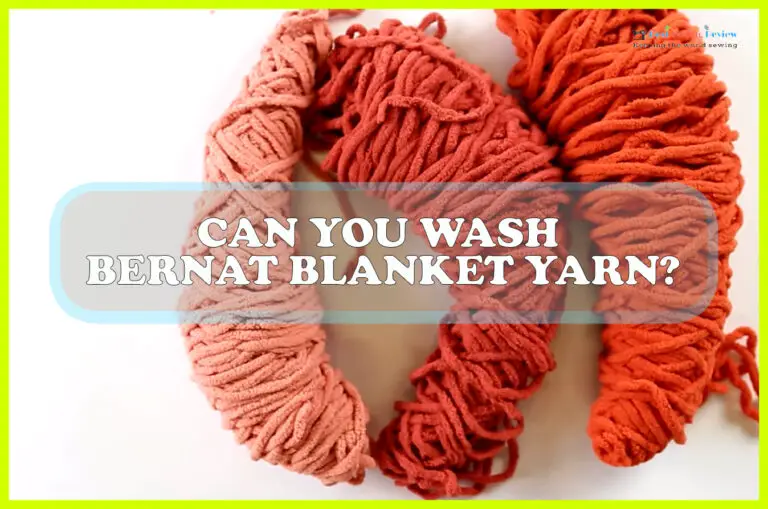
Yes — Bernat Blanket yarn is 100% polyester and machine washable. Wash cold on gentle with mild detergent, skip softener, and tumble dry low to keep the plush chenille texture.
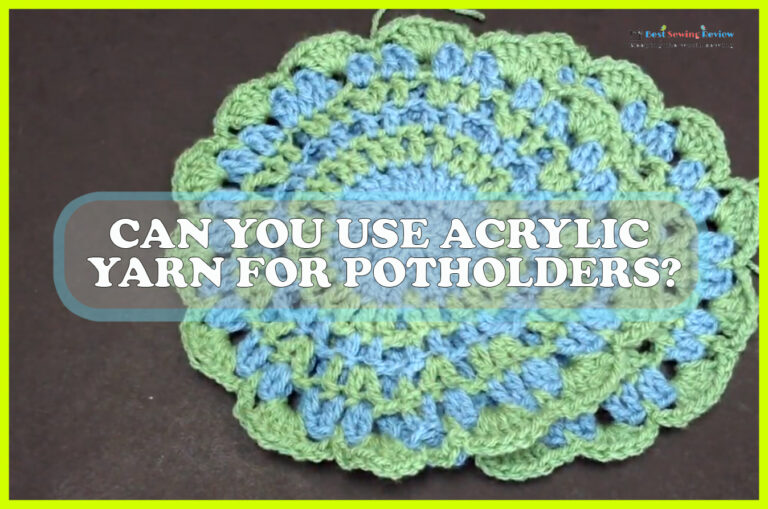
No — acrylic yarn melts under heat and is unsafe for potholders. Use 100% cotton or wool instead, with cotton batting or Insul-Bright between layers for real protection.
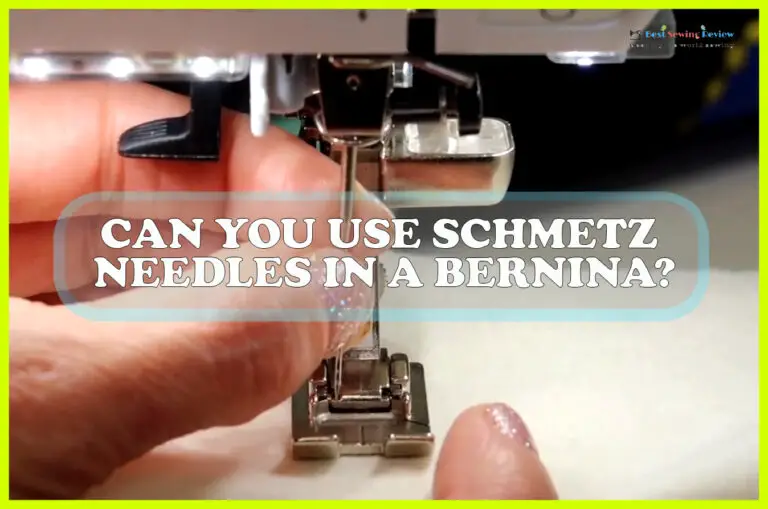
Yes — Schmetz needles fit Bernina, Janome, and nearly every modern home machine, because they use the standard 130/705 H system. Choose the needle by fabric, not by machine brand.
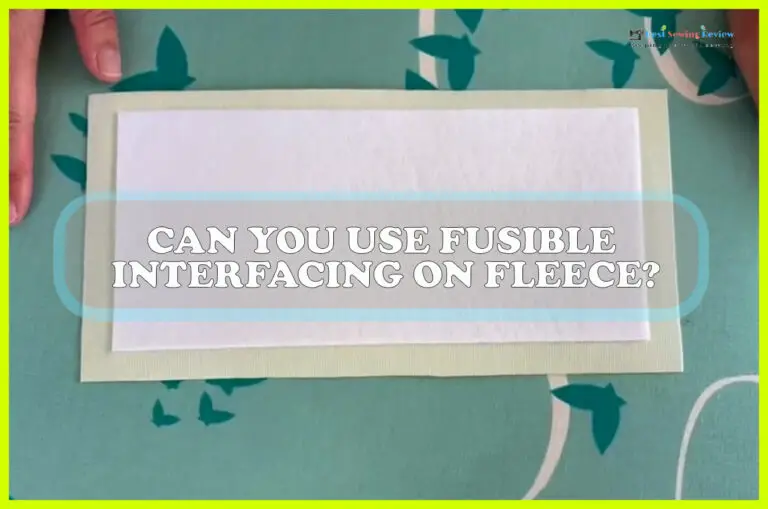
Usually not — fleece is heat-sensitive and its nap resists the glue, so fusible interfacing peels or melts the loft. Use sew-in interfacing instead, or often none at all.
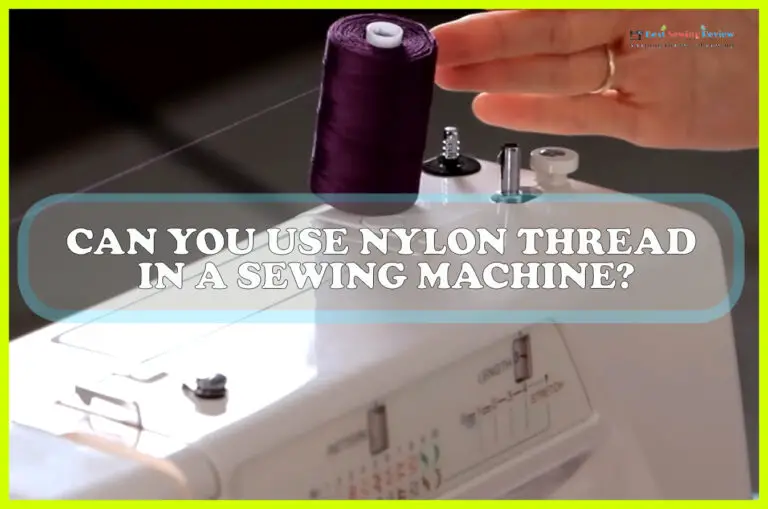
Yes — clear monofilament, bonded, and all-purpose nylon thread all work in a sewing machine. Match the needle to the thread weight, lower the tension, and keep the iron cool.