Clothing
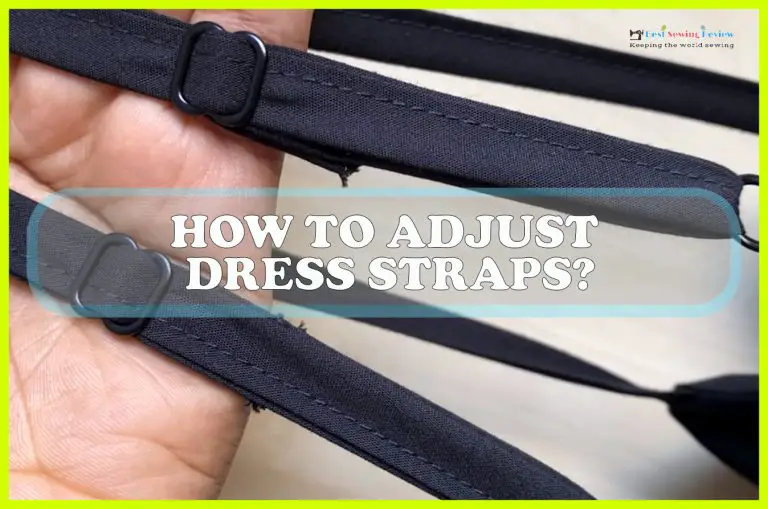
How to Adjust or Shorten Dress Straps (Sewn & No-Sew Fixes)
How to shorten dress straps, make them adjustable, and stop them slipping — the proper seam method plus quick no-sew fixes like clips, clear elastic, and silicone grips.

How to shorten dress straps, make them adjustable, and stop them slipping — the proper seam method plus quick no-sew fixes like clips, clear elastic, and silicone grips.
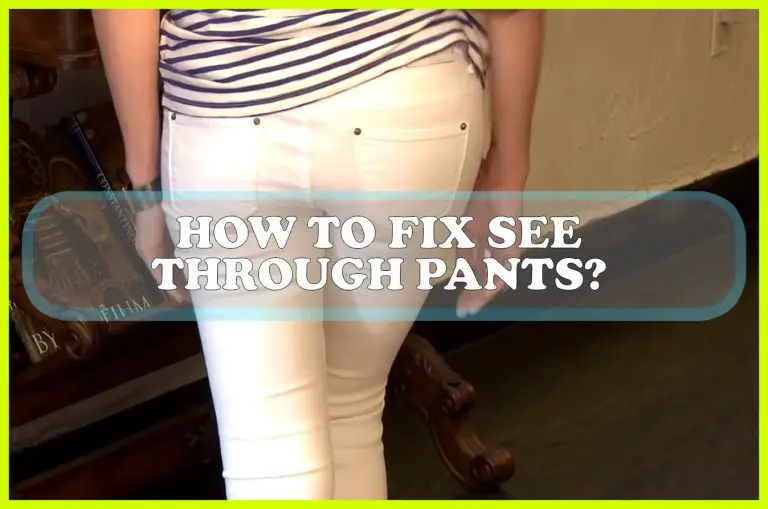
How to fix see-through pants and leggings — seamless nude underwear and slips for tonight, plus the permanent fix of sewing in an opaque lining.
How to loosen a too-tight sweatshirt waistband — stretch and wet-block the ribbing for quick give, or replace the casing elastic or the ribbed band for a permanent fix.
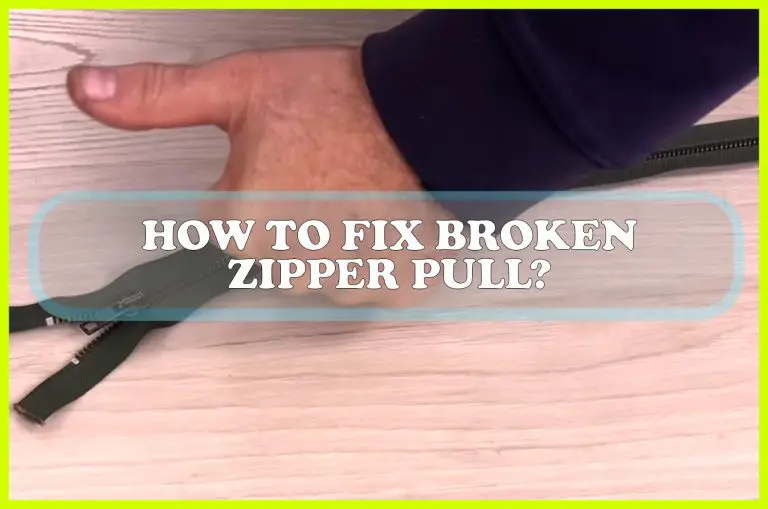
A broken zipper pull is an easy fix — thread a key ring or repair tab through the slider. If the slider itself is broken, replace just the slider, not the whole zipper.
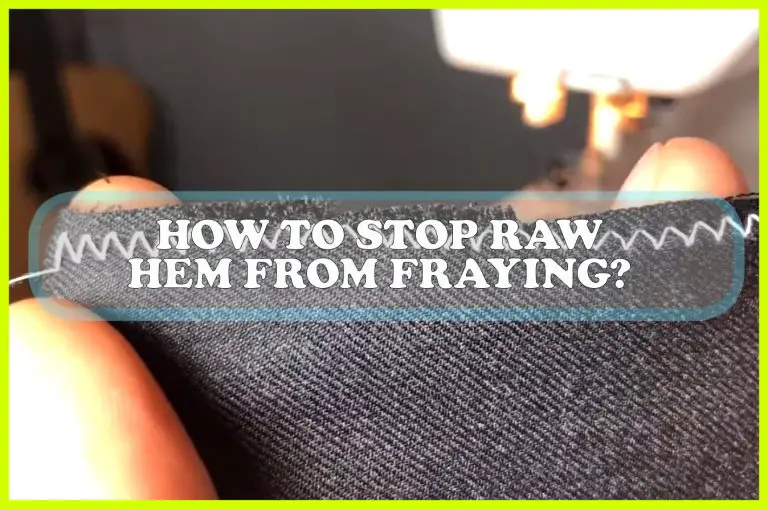
How to stop a raw edge from fraying — zigzag, serge, or a narrow hem if you sew, plus no-sew fixes like Fray Check, pinking shears, and fusible tape. Matched to your fabric.
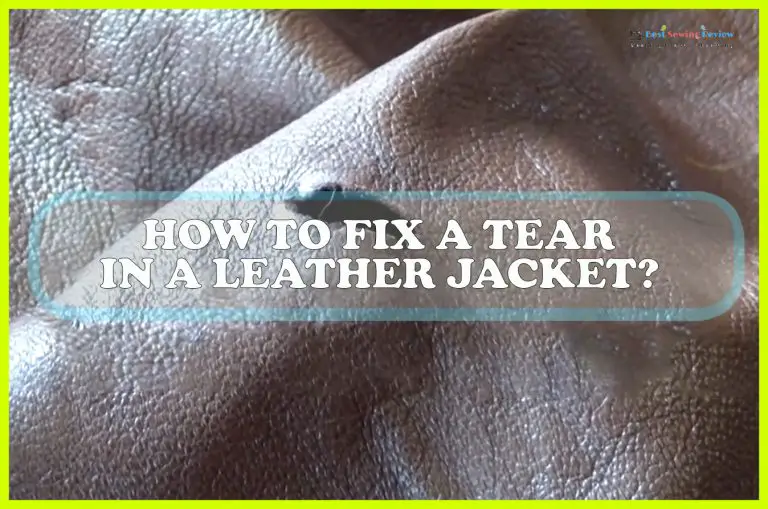
How to repair a torn leather jacket — a backing patch and flexible glue for a clean tear, re-stitching with a leather needle for a ripped seam, and color-matched filler to hide it.
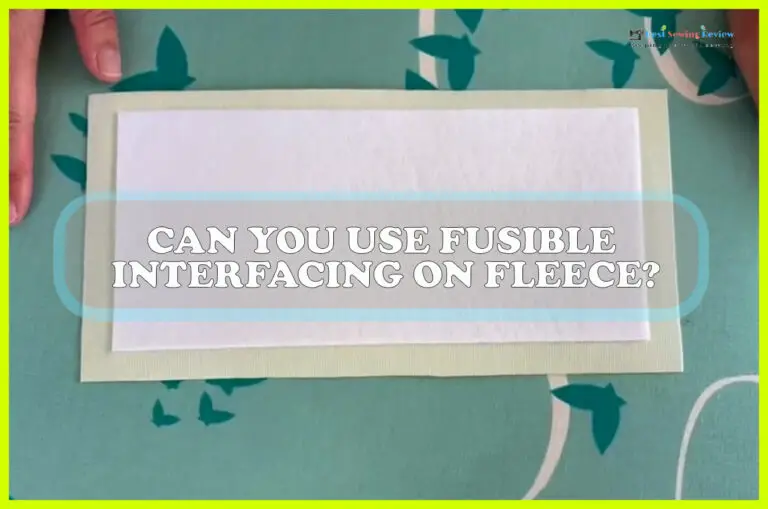
Usually not — fleece is heat-sensitive and its nap resists the glue, so fusible interfacing peels or melts the loft. Use sew-in interfacing instead, or often none at all.
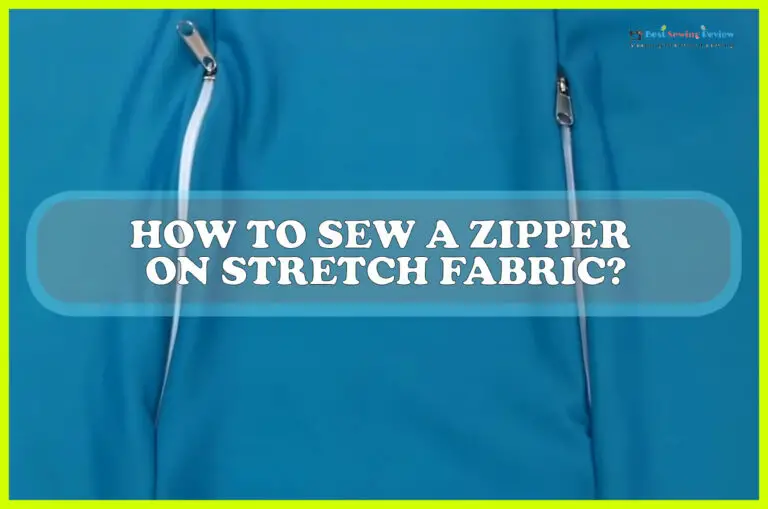
Stretch fabric ripples around a zipper because the knit grows while the zipper does not. Stabilize the opening with stay tape, baste first, and use a walking foot and ballpoint needle.
Yes, you can sew patches on faux leather — use a leather needle and long stitch, hold with clips not pins, and a Teflon foot. Or glue them on to avoid holes and heat.